DIY Printer Care vs. Professional Service: What You Should Know
Printers are essential tools for both home and office environments. From printing school assignments to crucial business documents, a reliable printer can save time and frustration. However, like any machine, printers require care and maintenance. Deciding whether to handle maintenance yourself or to hire a
professional service can be a challenging choice. Understanding the benefits, limitations, and potential risks of both DIY and
professional options is crucial for keeping your printer functioning optimally.
Key Takeaways
- DIY printer care can save money but may be limited in scope.
- Professional services offer expert maintenance and repairs.
- Regular cleaning and proper usage can extend printer lifespan.
- Some issues are better handled by professionals to prevent damage.
- Consider printer type, complexity, and usage before deciding.
- Balancing DIY care and professional service often yields the best results.
Understanding Printer Maintenance
Before deciding on DIY or professional service, it is helpful to understand what printer maintenance entails. Printers can face a variety of issues, including paper jams, ink or toner problems, software errors, and hardware wear. Maintenance typically includes cleaning components, updating drivers, replacing consumables, and occasionally repairing or replacing mechanical parts.
Regular maintenance ensures that your printer remains reliable, produces high-quality prints, and avoids costly downtime. While some tasks are straightforward, others require specialized knowledge and tools.
DIY Printer Care: Pros and Cons
Pros of DIY Printer Maintenance
- Cost Savings: Handling basic maintenance at home reduces service fees. Cleaning, replacing ink or toner, and installing paper correctly can prevent minor issues from escalating.
- Convenience: You can perform maintenance on your own schedule without waiting for a service appointment.
- Learning Opportunity: DIY care helps you understand how your printer works and how to troubleshoot common problems.
Cons of DIY Printer Maintenance
- Limited Expertise: Some problems, such as mechanical failures or circuit board issues, may require professional knowledge.
- Potential for Damage: Improper cleaning, use of unsuitable materials, or incorrect disassembly can harm the printer.
- Warranty Concerns: Opening certain printer components yourself may void warranties.
Common DIY Printer Maintenance Tasks
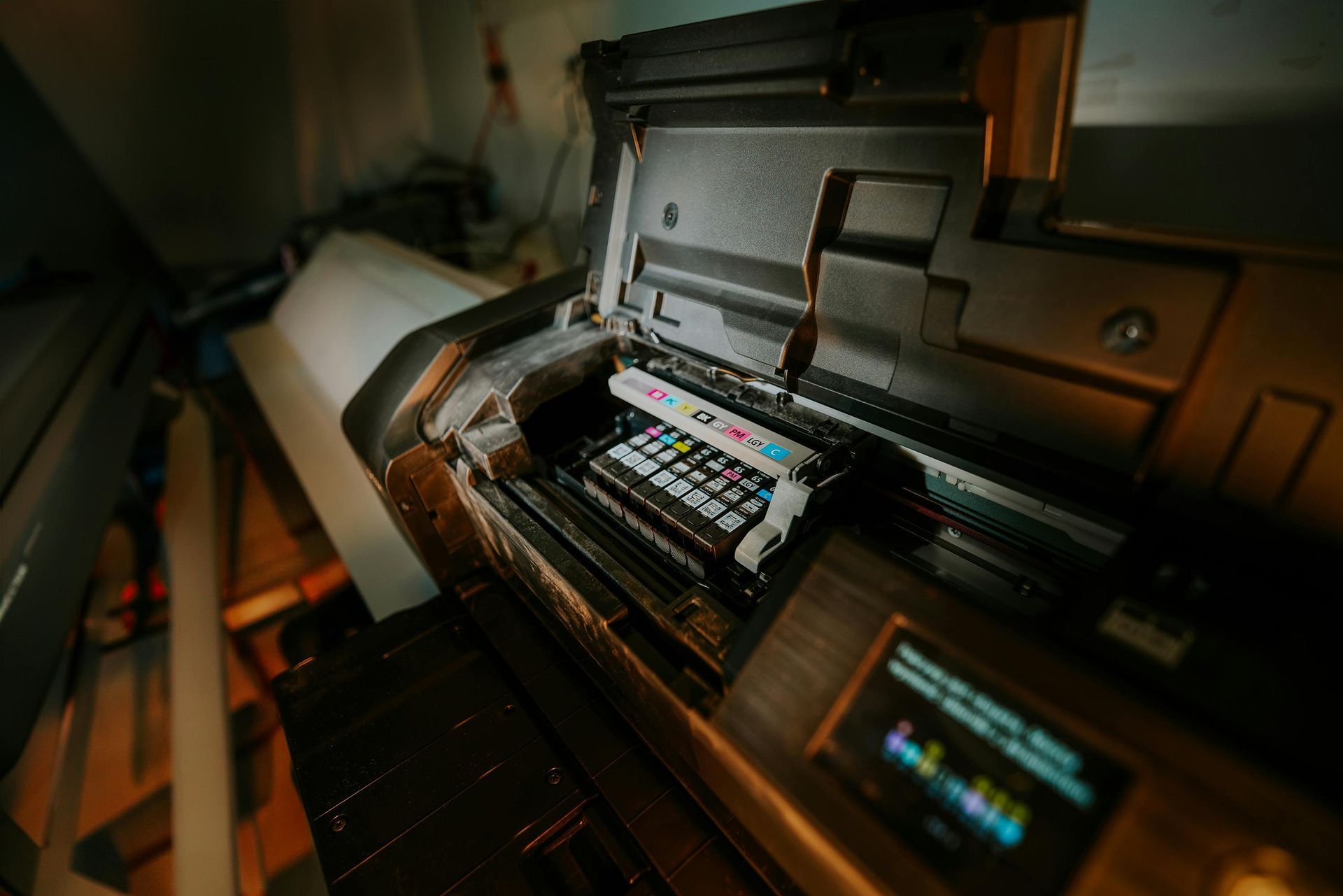
- Cleaning printer heads and rollers
- Removing paper jams
- Replacing cartridges or toner
- Updating printer software and drivers
- Checking for firmware updates
Signs Your Printer Needs Professional Service
Knowing when to call a professional can save time, prevent further damage, and protect your printer investment. While routine DIY maintenance can handle minor issues, certain signs indicate that your printer requires expert attention. Recognizing these early can help avoid costly repairs or replacement.
1. Persistent Paper Jams
Paper jams are one of the most common printer problems and can often be resolved at home. However, if your printer frequently jams despite careful paper handling, proper tray loading, and cleaning of rollers, it may signal a mechanical issue. Problems with internal gears, rollers, or misaligned components are best addressed by a professional.
2. Unusual Noises During Operation
Printers generally have a low hum or soft whir when operating. Loud grinding, clicking, or squeaking noises may indicate worn-out parts or a misaligned mechanism. Attempting to force the printer to work without professional inspection could worsen the damage. A technician can diagnose the exact cause and replace faulty components safely.
3. Poor Print Quality Despite Maintenance
If prints consistently show streaks, smudges, faded colors, or blurry images even after cleaning the print heads and replacing cartridges, the issue may be more complex. Problems could involve the printer’s imaging drum, toner system, or sensor calibration. Professionals have specialized tools and experience to correct these issues without risking further errors.
4. Repeated Error Messages or Malfunctions
Error codes on the printer display or computer interface are sometimes simple to fix, like clearing a paper jam or updating drivers. However, repeated error messages, especially those related to hardware or firmware, indicate underlying problems that may require professional diagnostics. Ignoring these warnings can lead to sudden printer failure.
5. Electrical or Connectivity Problems
If your printer struggles to connect to a network, intermittently loses power, or shuts down unexpectedly, it could point to electrical or internal board issues. Professionals can safely inspect power supplies, circuit boards, and connectivity components, ensuring repairs are done correctly and safely.
6. Age and Wear
Even well-maintained printers eventually show signs of wear. Frequent malfunctions, slow printing, or repeated need for repairs may indicate that the printer is reaching the end of its reliable lifespan. A professional can assess whether repairs are cost-effective or if replacement is a better long-term solution.
7. Complex or Internal Component Failures
Tasks like replacing internal gears, rollers, or high-voltage components are not suitable for DIY attempts. Professionals have the necessary tools, parts, and knowledge to safely handle these repairs, avoiding accidental damage or voiding warranties.
When Professional Printer Service is Necessary
While DIY maintenance covers routine care, some issues are better left to professionals. Professional services provide thorough inspections, repairs, and technical expertise that may be beyond a typical user’s skills.
Benefits of Professional Printer Service
- Technical Expertise: Professionals can handle complex mechanical or electronic problems.
- Comprehensive Maintenance: Service providers perform detailed cleanings and checks that extend printer lifespan.
- Warranty Compliance: Many professional repairs maintain manufacturer warranty coverage.
- Time Efficiency: Professionals often resolve issues faster than trial-and-error DIY attempts.
Common Situations for Professional Help
- Persistent paper jams that DIY efforts cannot fix
- Malfunctioning print heads or sensors
- Mechanical failures or worn-out components
- Firmware issues that cannot be resolved with standard updates
- Color calibration or alignment problems
Cost Considerations: DIY vs Professional Service
Cost is often a deciding factor. DIY maintenance is generally low-cost, limited mostly to supplies like cleaning solutions, cloths, or replacement cartridges. On the other hand, professional service comes with labor charges, diagnostic fees, and parts costs. While the upfront cost may be higher, professional service can prevent expensive damage caused by incorrect DIY repairs.
Estimated Costs Comparison
| Maintenance Type | Typical Cost Range | Notes |
|---|---|---|
| DIY Cleaning & Ink Replacement | $10–$50 | Supplies only |
| Professional Basic Maintenance | $50–$150 | Cleaning and minor repairs |
| Professional Repairs | $150–$400+ | Mechanical or electronic issues |
| Replacement Printer | $200–$800+ | For severely damaged printers |
Balancing cost with printer longevity is important. In many cases, a combination of regular DIY care and occasional professional service provides the best value.
Safety and Warranty Considerations
When performing DIY maintenance, safety should be a priority. Printers have electrical components that can pose risks if mishandled. Always unplug the printer before opening it or performing internal cleaning. Avoid using harsh chemicals or abrasive materials.
For printers under warranty, check the terms carefully. Certain DIY actions, such as opening sealed components, may void warranty coverage. Professionals are often certified to perform repairs without affecting warranty terms, which can be an important factor for expensive or high-end printers.
Tips for Effective DIY Printer Care
- Read the Manual: Always refer to the user manual for guidance on maintenance procedures.
- Use the Right Supplies: Only use approved cleaning solutions, cartridges, and toner.
- Regular Cleaning: Clean print heads and rollers periodically to prevent build-up.
- Proper Paper Handling: Use the correct paper type and avoid overloading the tray.
- Software Updates: Keep drivers and firmware current for optimal performance.
- Monitor Performance: Pay attention to print quality and unusual noises as early warning signs.
Tips for Choosing a Professional Printer Service
- Check Credentials: Look for certified technicians or authorized service providers.
- Read Reviews: Customer feedback can highlight reliability and expertise.
- Compare Pricing: Ensure service charges are transparent and reasonable.
- Ask About Warranty: Confirm that professional repairs do not void your printer warranty.
- Consider Response Time: Fast service is important for business-critical printers.
Balancing DIY and Professional Service
The most effective approach to printer maintenance often combines DIY care with professional service. Regular at-home maintenance can prevent minor problems, while professional services can address complex issues and ensure long-term performance. This hybrid strategy can save money, extend printer lifespan, and minimize disruptions.
Frequently Asked Questions
Can I fix a broken printer myself?
Some minor issues like paper jams or cartridge replacement can be handled at home. More complex problems often require professional expertise.
How often should I perform DIY maintenance?
Basic cleaning and ink checks can be done monthly, with deep cleaning every six months.
Does professional service cost more than replacing a printer?
In many cases, professional service is cheaper than replacing a printer, especially for high-end models.
Will DIY maintenance void my warranty?
It can, depending on the printer manufacturer and the type of maintenance. Always check your warranty terms.
How do I know when to call a professional?
Persistent malfunctions, unusual noises, poor print quality, or repeated error messages are signs to seek professional help.
Final Thoughts
Choosing between DIY
printer care and
professional service is not a one-size-fits-all decision. Understanding your printer, your technical skills, and the potential risks will guide your choice. Combining regular DIY maintenance with professional service when needed provides a cost-effective, safe, and reliable approach to printer care. Your printer will thank you with consistent, high-quality performance, and fewer interruptions to your daily workflow.
Keep your office running smoothly. Connect with certified and experienced copier repairman today to schedule maintenance or service.
Reference:
https://ucdarnet.org/diy-printer-maintenance-vs-professional-service-when-to-call-in-the-experts/
Share this article