Choosing the Right Repairman for Your Office Copier
A malfunctioning
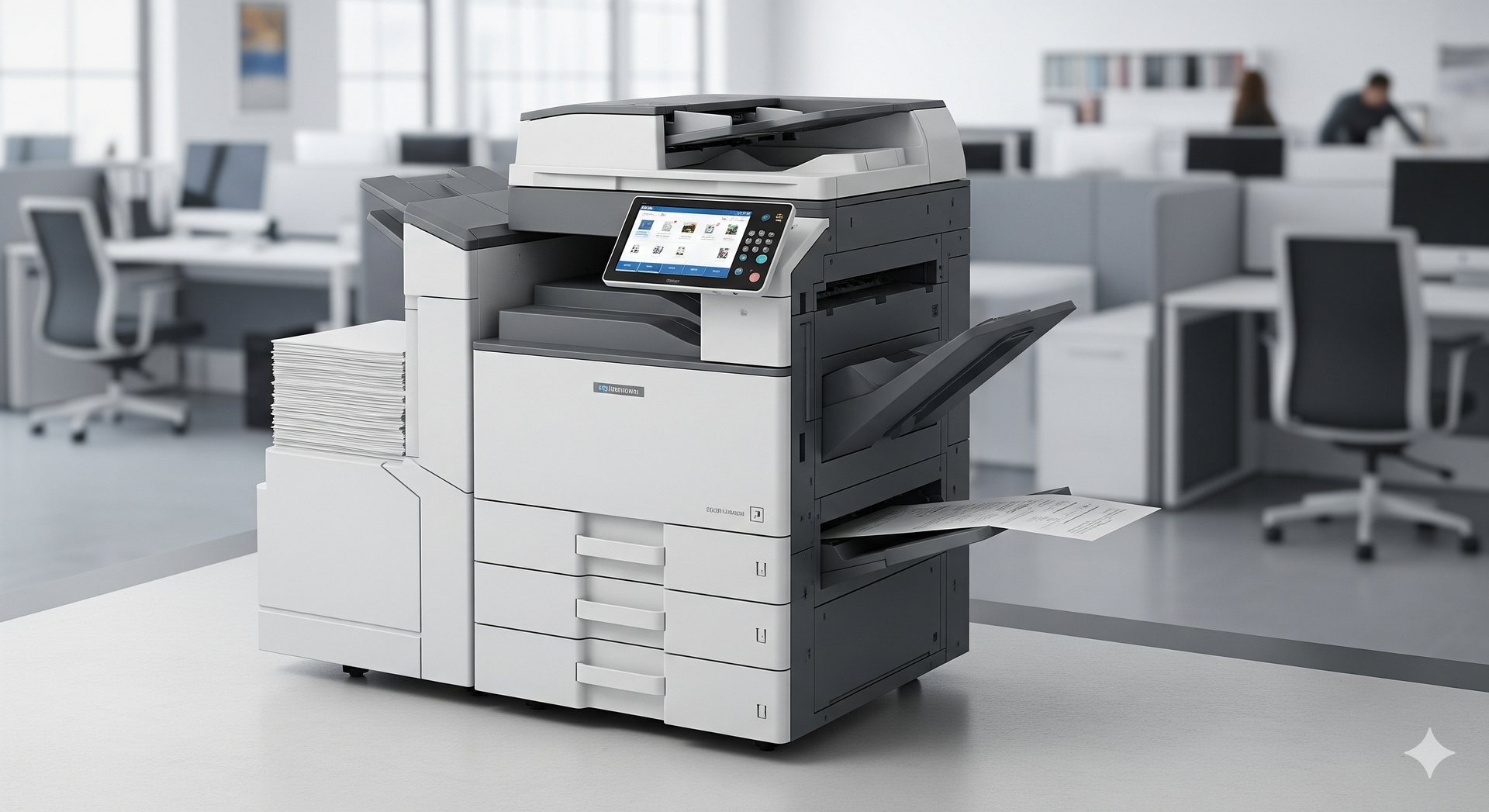
office copier can disrupt workflow, delay important projects, and frustrate employees. Finding a reliable repairman is essential to keep your office running smoothly. With numerous options available, it can be challenging to determine which repair service is trustworthy, efficient, and cost-effective. This guide will help you make an informed decision when selecting a
repairman for your office copier.
Key Takeaways
- Verify the repairman’s experience with your specific copier model.
- Check for proper certifications and industry credentials.
- Compare service plans, including response times and coverage options.
- Read customer reviews and ask for references.
- Understand pricing structures to avoid unexpected costs.
- Consider both local independent technicians and larger service providers.
Understanding Your Copier Needs
Before searching for a repairman, it is important to understand your office copier's specific needs. Copiers differ widely in complexity, features, and brand. Knowing the make and model, common issues, and usage frequency can help you communicate effectively with potential repair technicians.
Common Copier Issues
- Paper jams and feeding problems
- Toner or ink replacement issues
- Error codes and system malfunctions
- Scanning or printing delays
- Network connectivity or software problems
Having a clear understanding of these issues allows you to ask the right questions and ensures the repairman has experience handling similar problems.
Qualifications to Look For
Not all repairmen have the same level of training or expertise. Checking qualifications can help you select a professional who can efficiently address your copier's needs.
Certifications and Training
- Manufacturer certifications for your copier brand
- Technical training in office equipment repair
- Membership in professional repair organizations
Experience
- Years of hands-on repair experience
- Familiarity with both older and newer models
- Ability to troubleshoot both hardware and software issues
Ensuring your repairman is properly trained and experienced reduces the risk of repeated issues and unnecessary delays.
Evaluating Service Options
Repair services can vary in scope and availability. Consider the following when evaluating potential repairmen:
Response Time
- Average time to arrive at your office
- Emergency or same-day service availability
Service Plans
- On-demand repair vs. contract service
- Coverage for parts, labor, and maintenance
- Options for routine inspections and preventive maintenance
Support Channels
- Phone and email support availability
- Remote troubleshooting services
- Availability of replacement parts
Comparing these factors helps you choose a repairman who meets your operational requirements and budget.
Cost Considerations
Pricing is often a deciding factor, but it is important to look beyond the initial quote. Understanding how costs are structured helps prevent surprises.
Common Pricing Models
| Model | Description | Pros | Cons |
|---|---|---|---|
| Flat Rate | Fixed price for specific repairs | Easy to budget | May be higher for complex issues |
| Hourly Rate | Charged per hour of labor | Pay only for time used | Can become expensive if repairs take longer |
| Service Contract | Recurring fee for coverage | Predictable costs, maintenance included | May include services you do not need |
| Part Replacement | Separate cost for parts | Transparent | Costs can accumulate |
Always ask for a detailed estimate that includes labor, parts, and any additional fees. A transparent pricing structure helps maintain trust and ensures there are no hidden charges.
Researching Repairmen
Before committing to a repairman, it is important to do some research.
Online Reviews
- Check ratings on Google, Yelp, and other platforms
- Look for patterns in feedback rather than isolated comments
References
- Ask the repairman for past client references
- Verify reliability, punctuality, and quality of work
Local vs. Chain Services
- Local Technicians: Often provide personalized service, flexible scheduling, and quicker response times.
- Chain Providers: May offer standardized procedures, warranties, and access to broader parts inventories.
Weigh the benefits of each option to determine which aligns with your office’s priorities.
Questions to Ask Potential Repairmen
Before hiring, asking the right questions ensures clarity and avoids misunderstandings. Consider the following:
- Are you certified to repair my specific copier brand?
- What is your average response time for service calls?
- Can you provide a detailed cost estimate including labor and parts?
- Do you offer preventive maintenance plans?
- How do you handle warranties or repeated issues?
Clear communication and transparency at this stage can prevent future complications.
Benefits of Preventive Maintenance
Hiring a repairman for regular maintenance can extend the life of your office copier and reduce downtime.
Maintenance Tasks
- Cleaning internal components
- Checking and replacing worn parts
- Software updates and error code resets
- Routine inspections to prevent major breakdowns
A well-maintained copier is less likely to experience costly or time-consuming repairs.
When to Consider Replacement
Sometimes, ongoing repairs may not be cost-effective. If your copier frequently breaks down or repair costs exceed a certain threshold, replacement may be the better option. Consult your repairman to evaluate repair vs. replacement based on usage, age, and performance.
Red Flags When Hiring a Copier Repairman
Finding a skilled and trustworthy copier repairman is crucial for maintaining your office equipment. However, not all technicians are equally reliable. Being aware of potential red flags can save you time, money, and frustration. Here are some warning signs to watch for when evaluating a repair service:
1. Lack of Certifications or Proper Training
A qualified repairman should have training specific to your copier’s brand and model. If a technician cannot provide proof of certification, manufacturer training, or documented experience, it may indicate a lack of expertise. Hiring someone without proper credentials increases the risk of misdiagnosis or damage to your copier.
2. Poor or Vague Communication
Clear communication is essential. If a repairman is slow to respond, avoids answering questions directly, or cannot explain the issue in understandable terms, this is a warning sign. A professional repair service should clearly outline:
- The problem with your copier
- Recommended repair options
- Estimated time and cost for the service
3. Unclear or Incomplete Pricing
Watch out for technicians who provide vague estimates or avoid giving written quotes. Hidden fees or unexpected charges can become costly. A trustworthy repairman will offer a detailed estimate that clearly breaks down:
- Labor costs
- Parts costs
- Any additional fees, such as travel charges
4. No References or Negative Reviews
A reputable repairman should have satisfied customers who can vouch for their work. If a technician cannot provide references, or if online reviews are consistently negative, this could indicate unreliable service. Look for patterns in feedback rather than relying on a single positive or negative review.
5. Limited Experience With Your Copier Model
Copiers vary significantly between brands and models. Hiring a repairman who has little experience with your specific machine increases the likelihood of delays or incorrect repairs. Confirm that the technician has handled your copier model before and is familiar with both common and complex issues.
6. Pressure Tactics or Upselling
Some repair services may push unnecessary repairs or maintenance contracts. A professional technician should recommend only what is needed based on the copier’s condition. Be cautious if the repairman pressures you into expensive parts replacements or extended service plans without a clear explanation.
7. Lack of Warranty on Repairs
A reliable repairman stands behind their work. If a technician does not offer any warranty on parts or labor, you may be left paying for repeated fixes. Ensure that the service agreement includes a warranty period for repairs, which shows confidence in their workmanship.
8. Poor Professionalism or Appearance
While it may seem minor, professionalism matters. Technicians who are consistently late, disorganized, or unprepared may reflect the overall quality of their service. A repairman who presents themselves professionally is more likely to handle your office equipment with care.
By keeping these red flags in mind, you can make a more informed decision and avoid repair services that could cause more problems than they solve. Prioritizing transparency, experience, and professionalism will help ensure your copier is in capable hands.
Frequently Asked Questions
How often should an office copier be serviced?
Most copiers benefit from a preventive maintenance check at least once a year, or more frequently for high-volume offices.
Can all copiers be repaired by any technician?
Not always. Some models require specialized knowledge or manufacturer-specific certification.
Are parts for older copiers still available?
Parts availability varies by model and age. Experienced repairmen often have access to suppliers for older machines.
How quickly can I expect service for an urgent repair?
Response times vary. Local technicians may arrive the same day, while larger chains may schedule within a few business days.
Do repairmen offer service contracts?
Yes. Service contracts can include routine maintenance, priority support, and parts coverage.
Final Thoughts
Selecting the
right repairman for your
office copier is an important decision that impacts productivity and workflow. By evaluating experience, certifications, service options, pricing, and customer feedback, you can make a choice that minimizes downtime and ensures your office equipment operates efficiently. Taking the time to research and ask the right questions is an investment in smooth, reliable office operations
Keep your office running smoothly. Connect with certified and experienced copier repairman today to schedule maintenance or service.
Reference:
https://www.imageoneway.com/blog/printer-repair-vs-printer-replacement
Share this article